
You drive past them every week—small storefronts in strip malls along Loop 410, Bandera, Huebner, Nacogdoches.
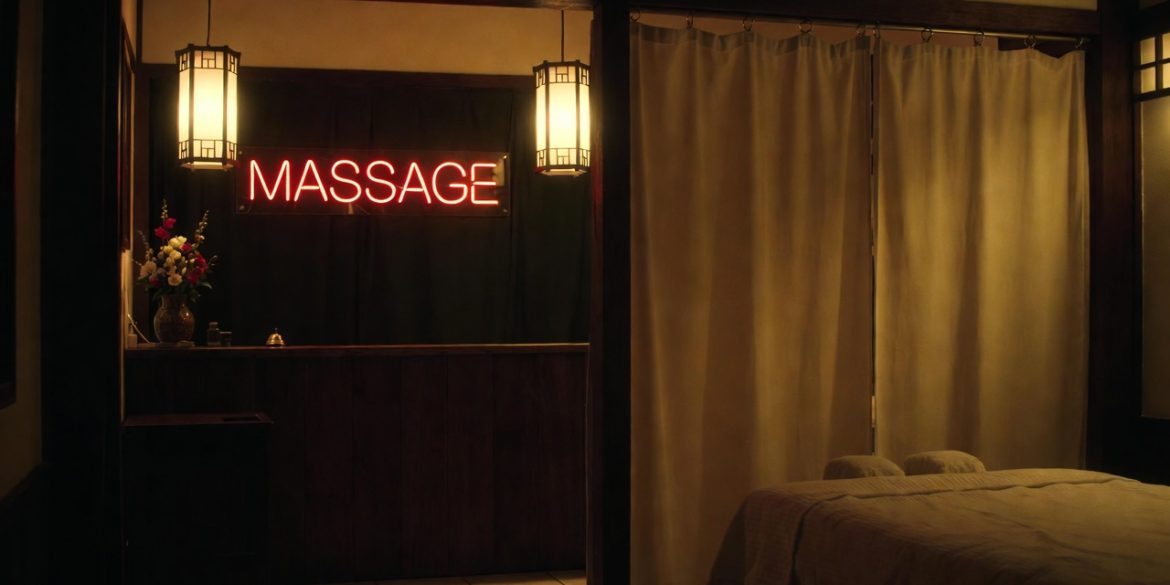
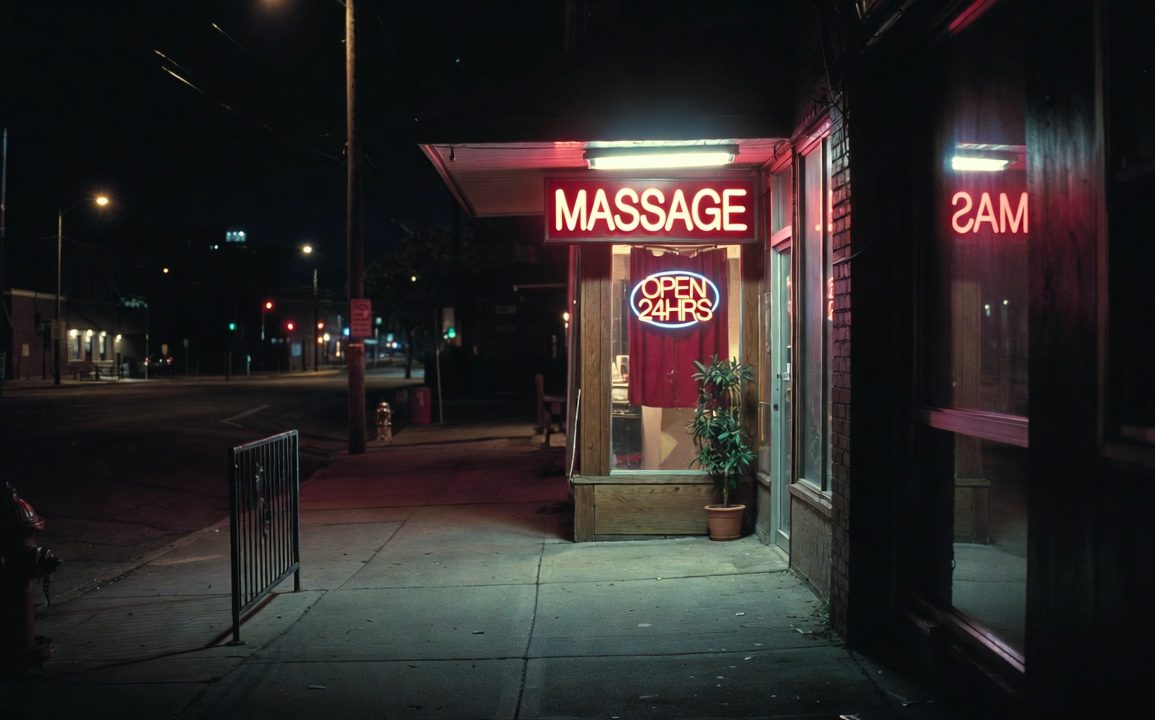
Neon “Massage” signs, open late, cash only.
Most of us think they’re just cheap foot rubs or back rubs.
But many aren’t what they seem.
In San Antonio alone, multiple massage businesses have been shut down by state regulators for suspected human trafficking—and those are just the ones that got caught.
This isn’t a conspiracy theory.
It’s a documented pattern happening right here, in our city, in plain sight.
What These Places Actually Look Like
You wouldn’t necessarily know just by driving past.
That’s by design.
Illicit massage businesses are built to blend in.
But once you know the red flags, they’re hard to unsee.
Here’s what to watch for:
- Late hours or “open 24 hours” — Legitimate spas close at reasonable times. Late-night operations are a common indicator.
- Cash only, no appointments needed — This limits paper trails and keeps transactions invisible.
- Blacked-out or heavily covered windows — Natural light and visibility are deliberately blocked.
- Customers buzzed in through locked doors — No open, welcoming lobby. Entry is controlled.
- Workers living on-site — Signs of sleeping, cooking, or personal belongings inside the business.
- No female clients served — Many illicit establishments cater exclusively to men.
- Workers in provocative clothing — This was literally cited by TDLR inspectors in a San Antonio closure.
- High worker turnover with little English spoken — Victims are often rotated between locations to prevent them from forming outside relationships.
None of these alone is a smoking gun.
But together, they paint a picture.
This Is a National Problem—And It’s Massive
San Antonio isn’t an outlier.
The Polaris Project, the nation’s leading anti-trafficking nonprofit, has documented over 9,000 illicit massage businesses operating across all 50 states.
That number has been consistent for years.
And the money involved is staggering.
These operations generate an estimated $2.5 billion per year in the United States alone.
For context, that’s not a fringe problem—it’s an industry.
The women providing services at these locations are typically between 35 and 55 years old, often immigrants with limited English, isolated from support networks, and trapped by debt owed to the people who brought them here.
This is labor exploitation and sexual trafficking happening at commercial scale.
And it hides inside businesses that look completely ordinary from the street.
It’s Happening Right Here in San Antonio
If you think this is a “big city problem” or something that happens somewhere else—it doesn’t.
In July 2024, the Texas Department of Licensing and Regulation issued an emergency six-month closure order for San Massage Spa on Jackson Keller Road.
Inspectors found employees in provocative clothing, used condoms hidden inside a cooking oil container in the kitchen, no required client consultation documents, and clear signs that workers were living inside the building.
That’s on the North Side.
Just months later, in April 2025, TDLR shut down Sweetness Spa (also operating as QQ Spa and Wang’s Spa) on West Ave.
Investigators found unlicensed employees who fled the premises during the inspection, a male customer found undressed inside, an unusual number of surveillance cameras, and lingerie on-site.
These aren’t isolated incidents.
Texas passed House Bill 3579 in 2023 specifically to give TDLR emergency shutdown authority when trafficking indicators are present—because the problem is that widespread.
Why This Stays Hidden
Here’s the uncomfortable truth: most of us just don’t look.

We drive past these storefronts dozens of times.
We assume they’re fine because they have a sign and a strip mall lease.
But ignorance is exactly what these operations count on.
Human trafficking in massage parlors is the second most commonly reported type of trafficking on the National Human Trafficking Hotline.
Second.
And yet most people in San Antonio have never connected those neon signs to anything criminal.
Part of it is enforcement.
These businesses are designed to be mobile and hard to prosecute—corporate shell companies often conceal ownership, with Polaris research finding that only 21% of illicit massage parlor business records actually name a real owner.
No owner, no accountability.
And without community awareness, there’s no pressure on local officials to prioritize it.
That’s where you come in.
Your Community Needs You to Know This
The first step to stopping something is knowing it exists.
Now you do.
Take our quick survey to see how aware San Antonio really is about this issue—and help us understand what our community knows (and doesn’t know) about illicit massage businesses in our city.
The more people who take it, the clearer the picture we can build—together.