
You don’t need to be a detective.
The signs are usually obvious once you know what to look for.
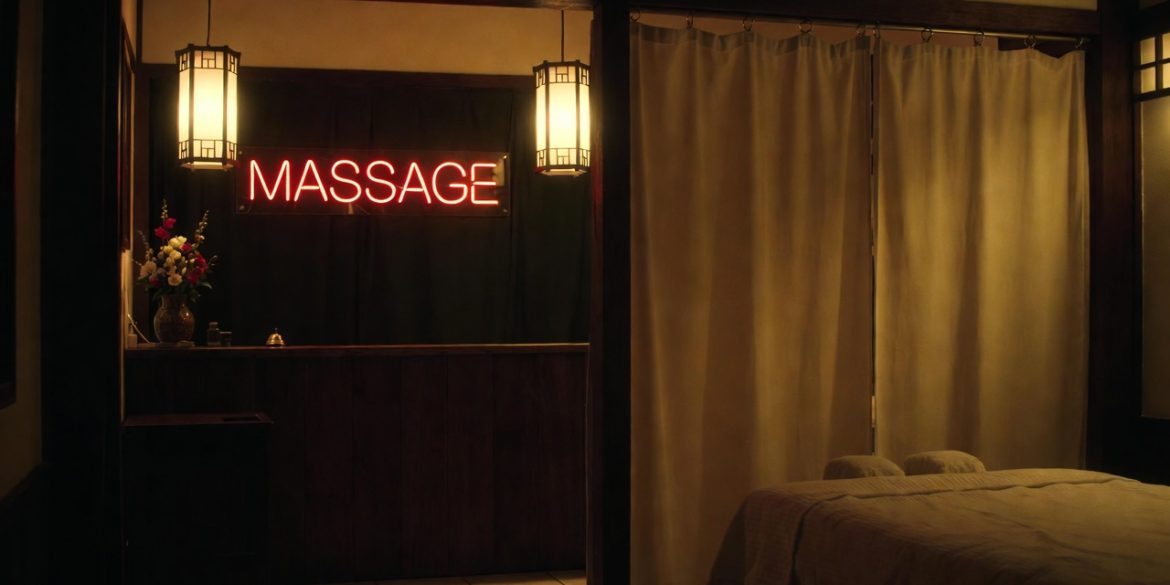
Open until 1 or 2 a.m., no visible business license, cash-only signs, heavy curtains blocking all views inside, workers who seem exhausted or avoid eye contact.
In San Antonio, these red flags appear in dozens of strip-mall massage parlors—places that often double as fronts for prostitution and, in many cases, human trafficking.
Here’s what to watch for next time you pass one.
The Red Flags, One by One
1. They’re Open Way Too Late
Legitimate massage therapy businesses close by 8 or 9 p.m.
If a parlor is open past midnight—or advertises 24-hour service—that’s not about wellness.
Late hours serve a specific clientele, and it’s not people looking for a post-workout muscle rub.
2. Cash Only, No Exceptions
A cash-only policy isn’t just inconvenient.
It’s a strategy.
No card transactions means no paper trail, no bank records, and no easy way for investigators to follow the money.
In San Antonio, inspectors have documented cash-only operations as a consistent feature of flagged establishments.
3. You Can’t See Inside At All
Blinds drawn tight, windows painted or papered over, no visibility from the street or parking lot.
Legitimate spas want you to see a clean, welcoming space.
Covered windows keep what’s happening inside invisible to passersby—and to law enforcement doing a drive-by check.
4. You Have to Be Buzzed In
A locked front door with a buzzer or intercom isn’t standard spa procedure.
It’s a screening mechanism.
It gives workers time to assess who’s at the door before letting anyone in—and gives operators time to hide activity if something looks off.
Surveillance cameras aimed at the parking lot, not just the entrance, are part of the same system.
5. “Table Showers” Are Advertised
If you see table showers listed on a sign or window, pay attention.
A table shower is a legitimate hydrotherapy tool used in some professional spa settings.
But in the context of a cash-only, late-night strip mall operation, it’s often advertised as a signal to customers seeking more than massage.
6. Workers Look Exhausted or Avoid Eye Contact
This one’s harder to spot from your car, but if you’ve ever walked in or past the door—notice.
Do the workers make eye contact? Do they look rested?
Victims in illicit massage operations often work extremely long hours, sleep on-site, and have limited contact with the outside world.
Exhaustion and avoidance aren’t shyness—they can be signs of someone who has been isolated and controlled.
7. No Business License Posted
Texas law requires massage establishments to display their TDLR license prominently.
If you walk in and can’t find one—or it’s expired, laminated behind a cluttered counter, or conspicuously absent—that’s a problem.
An unlicensed operation has no accountability to anyone.
8. Workers Seem to Live There
Shoes by the back door.
A rice cooker on the counter.
Personal laundry visible.
In a North Side San Antonio parlor shut down by TDLR in 2024, inspectors found clear evidence that workers were living inside the business—a major indicator that those workers had nowhere else to go and no freedom to leave.
What You’ve Probably Already Driven Past
You don’t have to go looking for these places.

They’re already on your route.
A parlor near a Loop 410 feeder road—open until 2 a.m., windows fully covered, buzzer entry—was shut down by TDLR after inspectors found multiple trafficking indicators inside.
Another on the Northwest Side, operating under multiple business names, had unlicensed workers who ran when inspectors arrived.
These aren’t exotic locations.
They’re between your dry cleaner and your favorite taco spot.
What To Do If You See Multiple Flags
Do not confront anyone.
Do not go inside to investigate.
That puts you—and potentially the workers—at risk.
Instead, report what you’ve seen through one of these channels:
- National Human Trafficking Hotline: Call or text 1-888-373-7888 — available 24/7, completely anonymous
- TDLR Complaint Portal: File a complaint about an unlicensed or suspicious massage establishment directly with Texas regulators
- Local SAPD: Non-emergency line 210-207-7273 for concerns that don’t require immediate response
You don’t need proof.
You don’t need to be certain.
Suspicion is enough to make a report—investigators take it from there.
You’re Already More Aware Than Most
Seriously—most people in San Antonio have never thought twice about those neon signs.
Now you have.
Take our quick survey to share what you’ve noticed in your neighborhood and help us map community awareness across the city.
Every response matters.